Building a People Plan for Growth

Summary
A logistics company approaching its 20th year had begun to prioritise growth, but were lacking a constructive people plan to support it. Bringing in a Fractional Chief People Officer for a few days a month gave the business immediate capability where it needed it most. Over the course of the engagement, staff turnover fell, they saved over £40k on recruitment spend, and the business had a people strategy it could actually build on.
The challenge
Nearly two decades in, this logistics business knew its people were its biggest asset. The leadership team had set a clear growth vision; but when they looked at what was in place to support it, the honest answer was - not much.
They needed a senior person’s expertise, but not necessarily a full-time hire. A Fractional CPO, brought in for a few days each month, gave them exactly that.
The approach
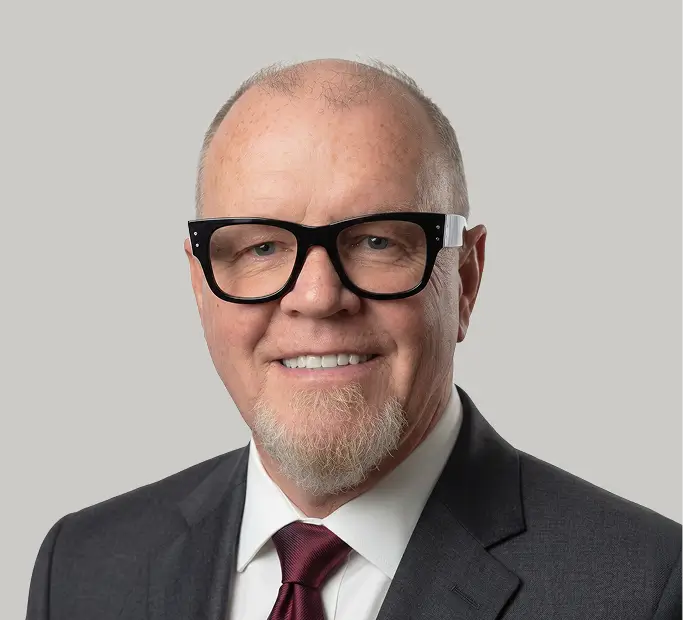
John Walsh introduced a senior member of his team, and the work began across three areas.
Getting people more engaged
Several initiatives were introduced to improve engagement without significant cost; an e-learning platform, workshops on topics like growth mindset, and a refreshed benefits package that included a health cash plan and better holiday entitlements. Small changes that staff noticed, and appreciated.
Upskilling line managers
Some sensitive employee relations issues needed dealing with first. Once resolved, the focus shifted to the management layer - training in performance management, appraisals and interviewing. Line managers who'd previously been left to figure things out for themselves now had proper support.
The CPO's availability during the Covid-19 pandemic proved particularly valuable. Having someone at the end of the phone who knew the business, and could advise on furlough, run webinars on home working, and help create safe working plans. Making a real difference during an uncertain period.
Building a people strategy for growth
With the immediate priorities addressed, the focus shifted to the longer term. Working closely with the leadership team, the Fractional CPO helped define a clearer direction for the business - one that connected people priorities to the company's values and growth ambitions. A leadership strategy session created shared clarity on priorities, and the work continued with a focus on keeping that momentum going.
The outcomes
- Improved staff engagement through training, mentoring and a stronger benefits offer
- Line managers better equipped to handle performance, development and recruitment
- A clearer, more coherent people strategy with values and vision at its centre
- Staff turnover down, and recruitment spend reduced by over £40k
The impact
The placement went well beyond the original brief. The business came in wanting a people plan. It left with stronger leadership capability, lower attrition, meaningful cost savings, and a clearer sense of where it was headed.
The Fractional CPO became a trusted part of the senior team - not just a supplier.
Flexible expertise for growing businesses
Whether navigating growth, operational change, or investment preparation, we provide experienced commercial expertise tailored to your business needs.
More from our leadership
Explore guides, case studies, and thought leadership from our fractional executives.
Frequently asked questions
Common questions about fractional services and how they work
What exactly does a Fractional People Director do?
A Fractional Strategic People Director focuses on aligning people strategy with overall business goals. This includes talent strategy, organisational design, leadership development, culture transformation, workforce planning, and driving long-term people initiatives that create sustainable competitive advantage.
How is a Fractional Strategic People Director different from a traditional HR Director?
While traditional HR focuses on operational excellence (payroll, compliance, recruitment), a Fractional People Director operates at the executive level — partnering with the CEO and leadership team to treat people as a core business asset. The role emphasises strategy, analytics, culture, and future-focused workforce planning rather than day-to-day HR transactions.
What are the biggest challenges facing Fractional People Directors today?
Key challenges include talent shortages in critical skills, hybrid/remote working model optimisation, building inclusive cultures at scale, navigating rapid technological change (AI, automation), managing workforce burnout, and balancing employee expectations with business performance in volatile economic conditions.
How do you measure the success of people strategies?
Success is measured through a balanced scorecard including business outcomes (revenue per employee, productivity metrics), talent metrics (retention of high performers, time-to-hire, internal mobility), engagement and culture indicators (eNPS, pulse surveys), leadership bench strength, and DEI progress. The ultimate measure is whether people strategy demonstrably drives business results.
What experience and background do you bring to the Fractional People Director role?
With over 4 decades in global people leadership roles across various sectors to include travel, legal, tech, manufacturing, retail, maritime and government to name but a few, including leading transformations at various companies from small to global corporations, we combine deep operational HR expertise with strategic business acumen.
How do you approach culture transformation in large organisations?
Culture change starts with clear diagnosis of current vs. desired state, visible leadership commitment, aligned systems and behaviours, and consistent reinforcement through communication, recognition, and talent decisions. We use data-driven insights and co-creation with employees to ensure changes stick.
What is your philosophy on hybrid and remote work?
We believe in outcome-based work models rather than location-based ones. The focus should be on building trust, clear expectations, intentional collaboration rhythms, and leveraging technology to maintain connection and culture, while respecting individual circumstances and business needs.
How important is Diversity, Equity, Inclusion & Belonging (DEIB) in your people strategy?
DEIB is not a standalone initiative — it is fundamental to building high-performing, innovative teams. We integrate it into every aspect of the people strategy: talent acquisition, leadership development, performance management, and culture. Sustainable progress requires both accountability and genuine cultural commitment.
How do you partner with the CEO and executive team?
We act as a true strategic business partner — bringing people insights to the table, challenging assumptions when needed, translating business strategy into actionable people plans, and holding ourselves accountable for delivering measurable impact on organisational performance and health.
What role does technology and people analytics play in your approach?
People analytics is central. We use data to move from intuition to evidence-based decisions on talent, engagement, retention, and workforce planning. This includes predictive analytics for attrition, skills gap analysis, and measuring the ROI of people investments.
How do you develop leadership capability at all levels?
Leadership development must be continuous and experiential. We design programs that combine formal learning, coaching, stretch assignments, peer networks, and real business challenges. The goal is to build agile, emotionally intelligent leaders who can navigate complexity and inspire high performance.
What advice would you give to organisations looking to elevate their people strategy?
Stop treating HR as a support function. Elevate your People leader to the executive table, invest in robust people analytics, make culture a CEO-level priority, focus on building internal talent pipelines, and ensure every people decision is evaluated through the lens of both employee experience and business impact.
.webp)
Enjoyed this insight? Let's discuss what it means for your business.
Every business is different. Speak to one of our experienced fractional leaders about your growth ambitions and operational challenges.